Following fiery testimony from Fulton County District Attorney Fani Willis regarding allegations that she misused taxpayer funds and crossed ethical boundaries during her romantic relationship with Special Prosecutor Nathan Wade, Fulton County Superior Court Judge Scott McAfee is expected to decide whether Willis and Wade should be disqualified from further participating in their indictment of former President Donald Trump and 18 allies.
The allegation brought forward in a motion by former Trump White House aide and co-defendant Michael Roman claims the two “have been engaged in an improper, clandestine personal relationship during the pendency of this case, which has resulted in the special prosecutor, and, in turn, the district attorney, profiting significantly from this prosecution at the expense of the taxpayers.”
The motion calls to dismiss the indictment and disqualify Willis, Wade, and the Fulton County District Attorney’s Office from prosecuting the case.
On Feb. 15, Willis and Wade both testified to the extent of their relationship and whether Wade benefited financially from their now-acknowledged romantic relationship. Willis has said she and Wade were not in a relationship when Willis hired him as a special prosecutor in the case against Trump in 2021. She has denied any wrongdoing.
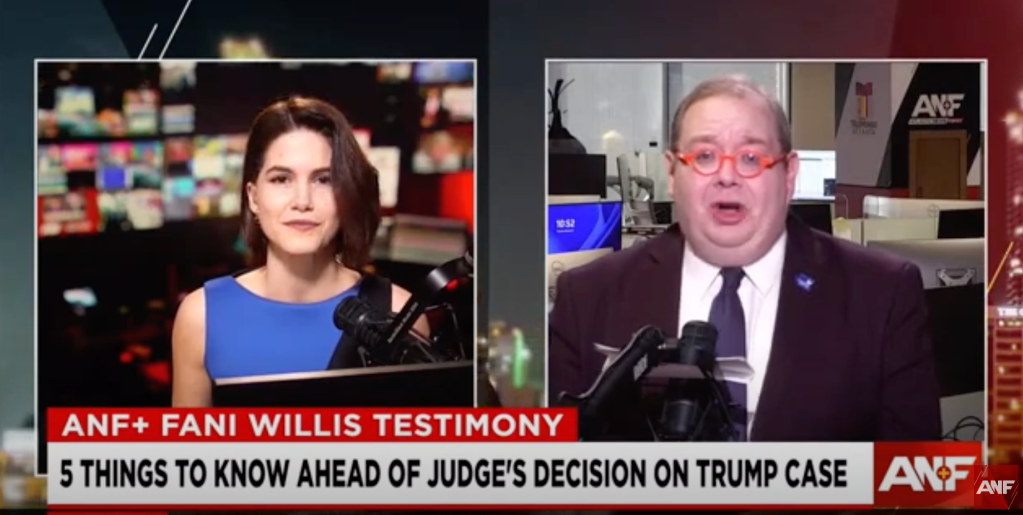
Criminal Defense Attorney and Legal Analyst Joshua Schiffer joined Atlanta News First+ to talk about the five things to know ahead of Judge Scott McAfee’s decision on disqualification.
1. Whether Judge McAfee telegraphs any evidence he’s reviewed privately
Some testimony from Special Prosecutor Nathan Wade’s former law partner Terrence Bradley involving the timeline of Willis and Wade’s relationship was entered away from public view.
“That testimony did not come out in open court because of legal privilege,” Schiffer said. “What we do know is that Judge McAfee heard directly from Mr. Terrence Bradley and his attorney (Bimal) B.C. Chopra back in chambers.”
Schiffer said the private, in-camera testimony could later be telegraphed.
2. New motions and filings
Attorneys from both sides are likely to continue to pursue legal filings to bring additional arguments before McAfee ahead of his decision.
“Just because a hearing has been had doesn’t mean the parties are prevented from filing additional motions, there could be additional evidence, additional arguments, judge’s emails are open, there’s a lot of discussion that we’re not privy to,” Schiffer said.
3. Moves from the district attorney’s office
“There’s a concept that they can regain the inertia in this prosecution by Mr. Wade making some sort of an announcement that, in the best interest of justice, his presence has become too distracting to the important job at hand and he’s going to take one for the team,” Schiffer said.
Schiffer said a spontaneous announcement declaring the removal of Wade from the prosecution team pursuing charges against Trump and his allies would allow the district attorney to gain control of the narrative, avoid a possible court-ordered disqualification, and potentially satisfy the defense.
4. Potential remedies
Schiffer said McAfee can take many different steps as he navigates the evidence presented and concerns surrounding government transparency and fairness.
Among the remedies that could take place:
- Total removal of Willis, Wade, and any members of the district attorney’s office involved in the indictment of Trump and his co-defendants
- Reassignment of the case to another prosecutor
- Specific removal of individuals or limiting instructions to Willis, Wade and the district attorney’s office
- Checks and balances to maintain the independence and transparency of the state’s prosecution
5. Immediate response to judge’s decision
“No matter what Judge McAfee does, I expect one party or another to announce an intent to appeal,” Schiffer said.
Willis’ office has confirmed that no closing summations would be held this week in her disqualification hearing.
“I don’t believe Judge McAfee has the justification for a real scorched Earth approach based on what the district attorney has admitted and what we saw in court,” Schiffer concluded. “What’s a little more realistic are some strong words and actions to protect the integrity of this case.”
 Mariya Murrow